Shipping Coffee by Sail: What We Learned from the Neoliner Origin

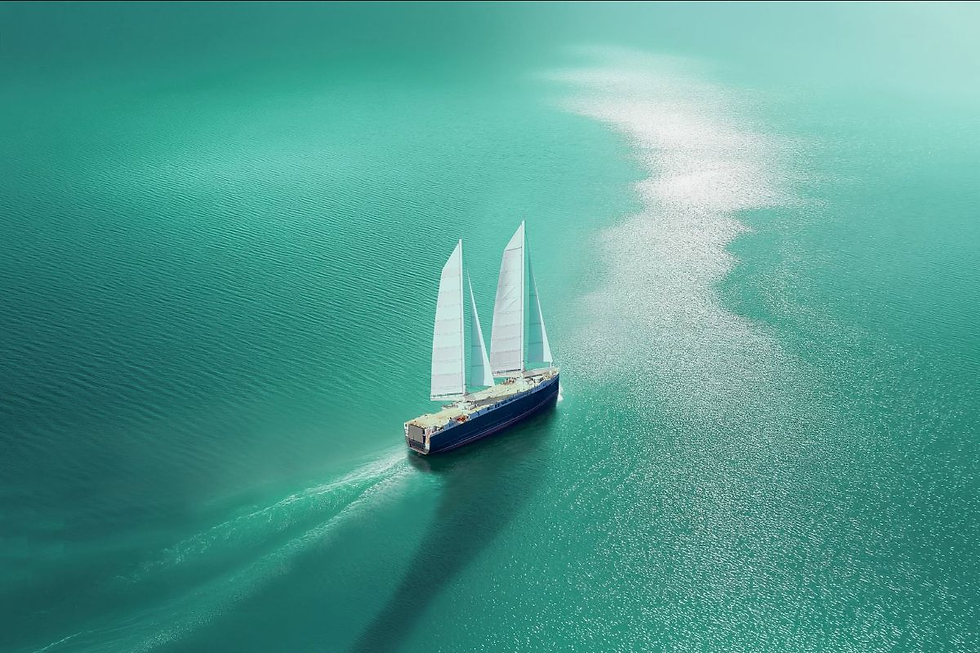
For the first time, coffee connected to the Ecotierra ecosystem crossed the Atlantic aboard the Neoliner Origin, a modern cargo sailing vessel.
The initiative came from Café William, which wanted to explore a lower impact alternative to conventional maritime transport. ElevaFinca’s role was to coordinate the origin side of the operation, ensuring that coffee from Honduras and Colombia was prepared, documented, cleared for export, and delivered to port according to the vessel’s schedule.
The project required several months of coordination across Honduras, Colombia, and Peru and gave our teams first hand experience adapting coffee exports to a different logistics model.
Preparing Coffee Across Two Origins
In Honduras, Aroma Café & Miel sourced, milled, controlled, and prepared Fairtrade Organic coffee for the shipment.
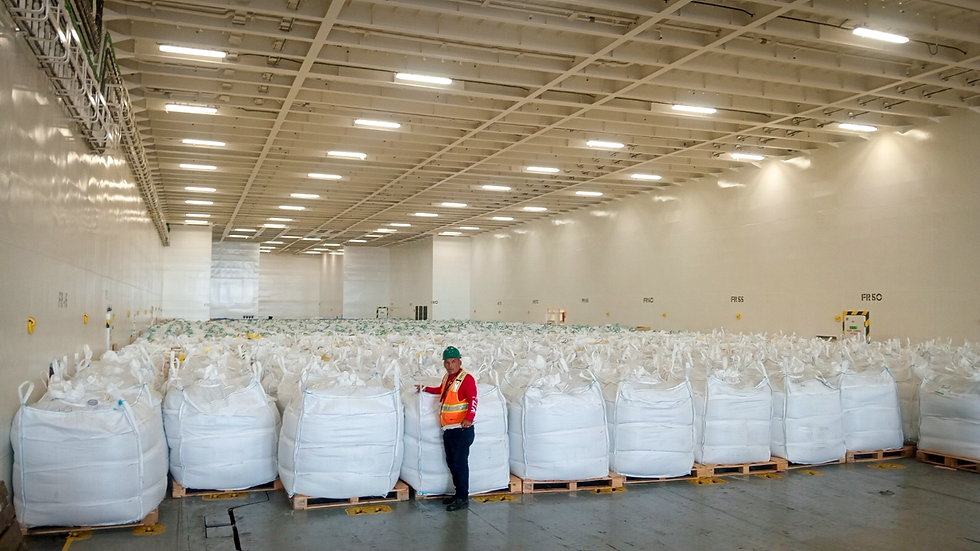
While the technical preparation followed the same standards as a conventional export, the final delivery process was different. Rather than loading the coffee into export containers directly at the dry mill, the coffee was transported by truck to Puerto Cortés for loading according to the requirements of the project.
In Colombia, RioSierra received and prepared coffee from ANEI for Café William. The coffee was milled, conditioned, evaluated, and prepared for export before being delivered in coordination with the Neoliner Origin’s stop in Santa Marta.
In both origins, the main challenge was not changing how the coffee itself was prepared. It was making sure that everything was completed at the right time.
Coordinating the Origin Side
ElevaFinca acted as the connection point between the different origin teams.
We followed the preparation of the lots, coordinated export and customs documentation, organized inland logistics, and worked with the teams in Honduras and Colombia to make sure the coffee reached the designated ports as planned.
Once those steps were completed, Café William and its transportation partners managed the maritime journey aboard the Neoliner Origin through to destination.
Working with a sailing schedule made early communication particularly important. Unlike more conventional shipping options, there was less flexibility if one part of the process was delayed. This meant that responsibilities, deadlines, and critical points had to be clearly understood across all teams from the beginning.
Sustainability Beyond the Farm
Sustainability in coffee is often discussed through what happens at origin, including agroforestry, soil management, biodiversity, and producer livelihoods.
Transportation is another part of that supply chain.
Cargo sailing vessels have the potential to reduce reliance on fossil fuels in maritime transportation. For this shipment, we believe any emissions reduction figures should come directly from the official methodology and data provided by the transport operator so they can be communicated accurately and transparently.
For ElevaFinca, participating in the project was also an opportunity to understand what a different transportation model requires from origin teams. It showed how decisions made further along the supply chain can influence planning well before the coffee reaches the port.

What This Means for Buyers
One of the clearest lessons from this project is the value of planning early.
When buyers choose transportation options with specific departure schedules or operational requirements, sharing those details in advance gives origin teams more time to organize coffee availability, preparation, quality approval, documentation, and inland delivery.
The maritime transport itself may sit outside ElevaFinca’s role, but the decisions surrounding it have a direct impact on what must happen at origin.
This is where close coordination between buyers and origin partners becomes particularly valuable.
Looking Ahead
This first shipment showed that our teams can adapt to a different export model when the requirements are clear and planning begins early enough.
For future projects of this kind, our focus will remain on what we do at origin: preparing coffee according to specification, coordinating across teams, completing export requirements, and delivering the coffee to port within the agreed timeframe.
Whether sailing cargo becomes a more common option will depend on buyers, transport providers, available routes, capacity, and the evolution of these services. Our role is to be able to adapt when customers choose to explore those alternatives.
For us, that is one of the most useful outcomes of this first experience: understanding how origin operations can support new approaches to coffee logistics.
The sustainability of coffee does not end at the farm. The journey to the cup is part of the conversation too.
Our latest coffee offer is constantly updated here


Comments